
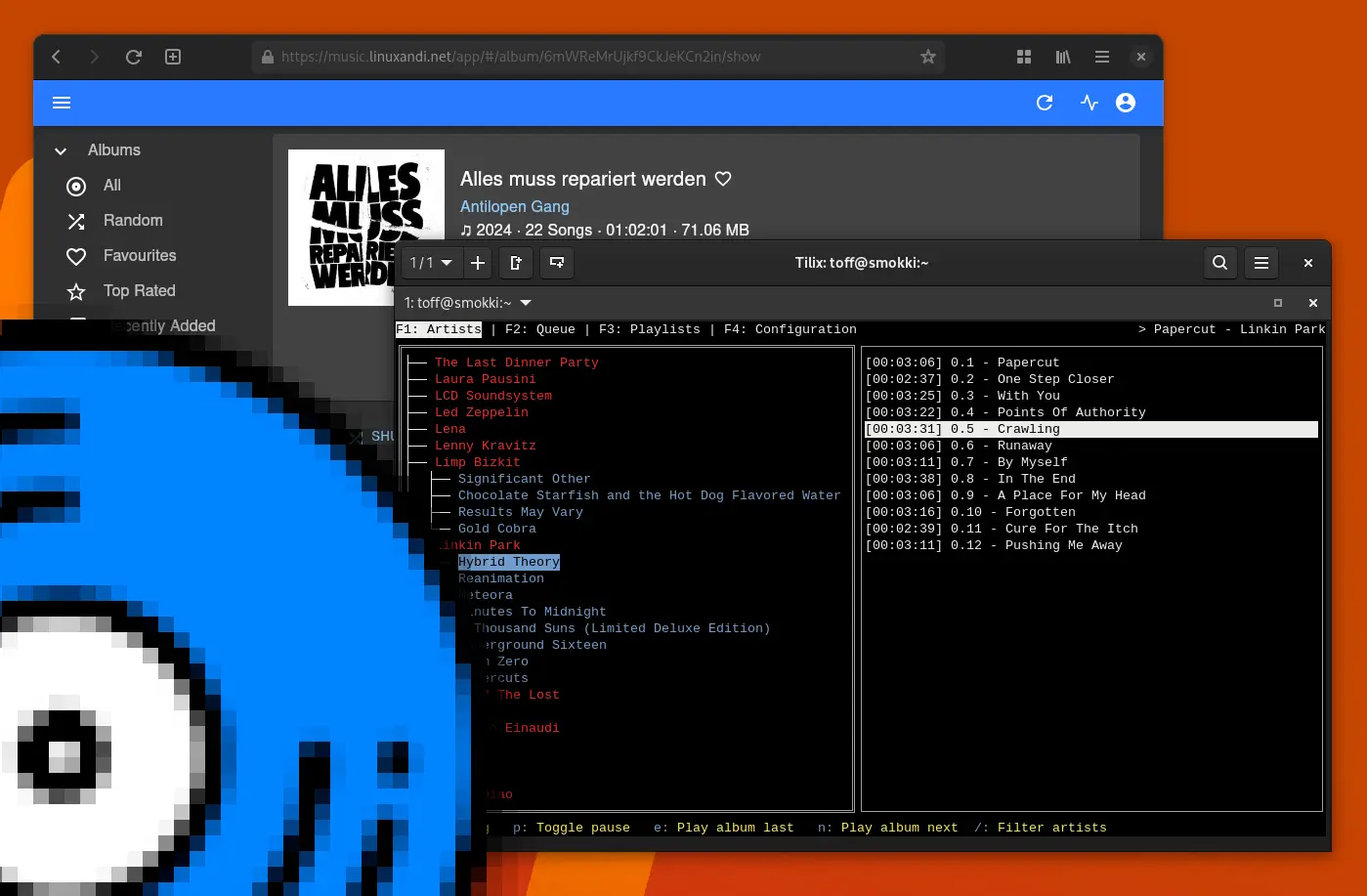
Scrobbling has been the classic way to log your listening habits for almost two decades: your player reports every track it plays to Last.fm, which turns that into statistics, charts and recommendations. On Linux, many players can do this out of the box, for example Rhythmbox with a plugin, Lollypop, Strawberry or Amarok on KDE. GNOME Music lost the feature with GNOME 46, and Elisa never had it.
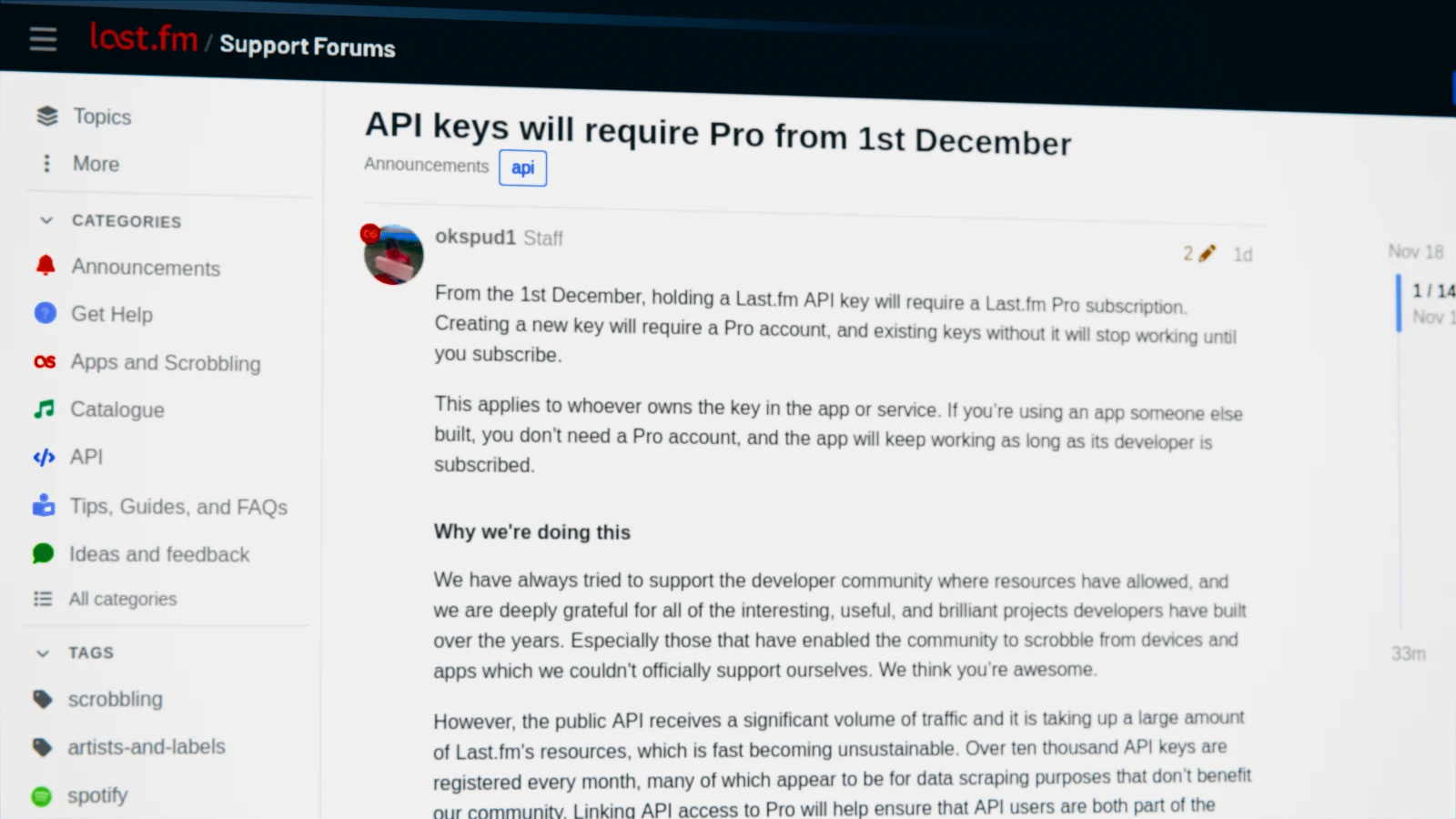
For players like these, tools such as Turntable step in: it reads what any player is playing through the desktop’s media controls and passes it on. Now Last.fm has announced that from December 1, an API key will only work with a Pro subscription. That’s barely two weeks’ notice. Whether your player keeps scrobbling afterwards depends on its developer. Self-hosters running Navidrome, on the other hand, are affected either way.
What Last.fm is changing
From December 1, creating a new API key requires a Pro account. Existing keys belonging to free accounts will no longer be accepted by the API until their owner subscribes. What matters is who owns the key: if you use someone else’s app that works with its developer’s key, you don’t have to pay anything. The developer pays instead – provided they play along.
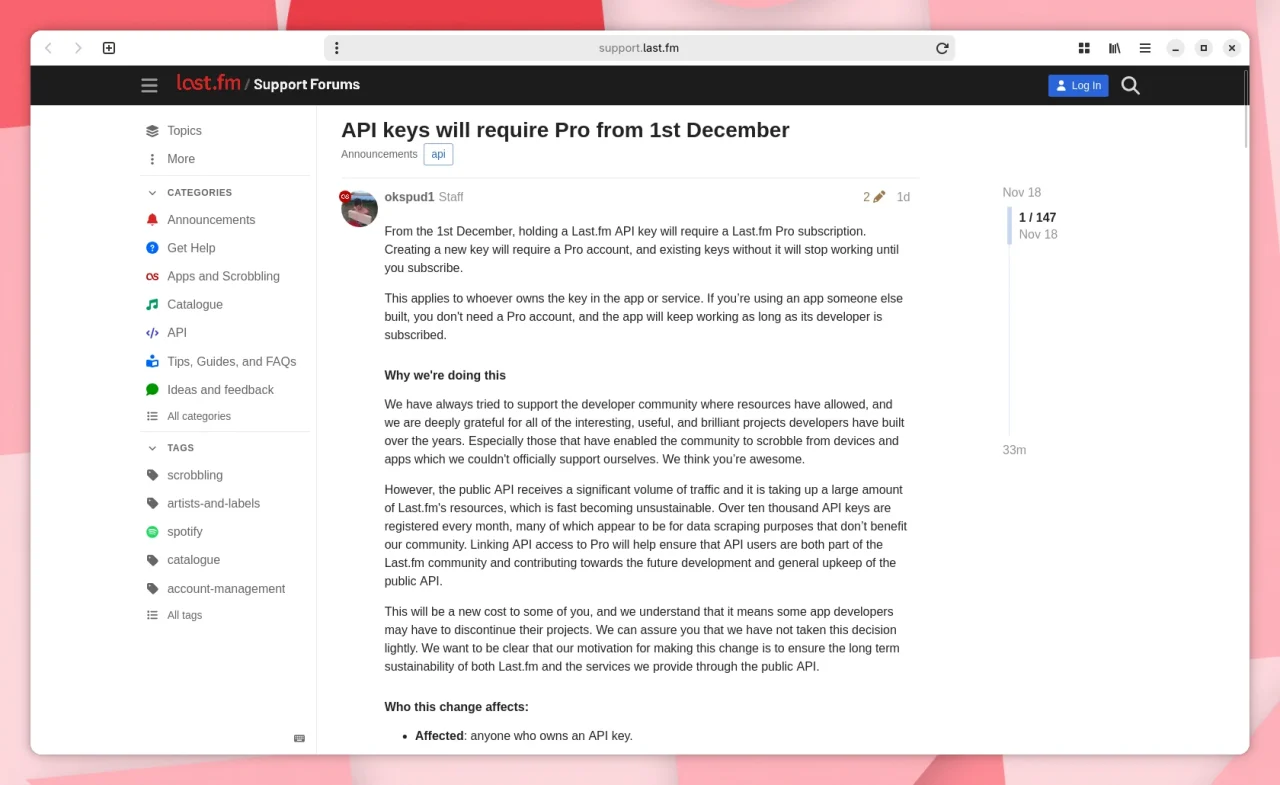
Last.fm’s reasoning is that more than ten thousand new keys are created every month, many of them apparently for scraping data. A few widely used scrobblers are explicitly unaffected, including Pano Scrobbler, Web Scrobbler, foobar and MusicBee. Last.fm says it will contact other developers directly; anyone who doesn’t hear back should get in touch by email. There is no free tier for non-commercial projects.
And the open source players?
For free players on Linux, a lot remains unclear. Most of them scrobble with a key that is built into the program and belongs to the project. Strawberry does let you enter your own, but then you’re the one paying. For your scrobbles to keep arriving after December 1, the developer either has to pay for Pro or Last.fm has to put the project on its list of exceptions. So far, not a single Linux player has been named.
It gets even trickier with software where every user creates their own key. The developer of Multi-Scrobbler writes on GitHub that an exception for individual keys doesn’t fit self-hosted software. A shared key in the source code, on the other hand, could be extracted by anyone. An email to Last.fm has gone out; if necessary, a central service could step in, through which Multi-Scrobbler users connect to Last.fm.
What this means for Navidrome
Navidrome doesn’t ship with a shared key. According to the documentation, every admin creates their own API account with Last.fm and enters the key and secret in the configuration. In other words: every single Navidrome instance depends on its operator’s key. If that account stays free after December 1, no scrobbles reach Last.fm anymore – not even for users who linked their accounts long ago.
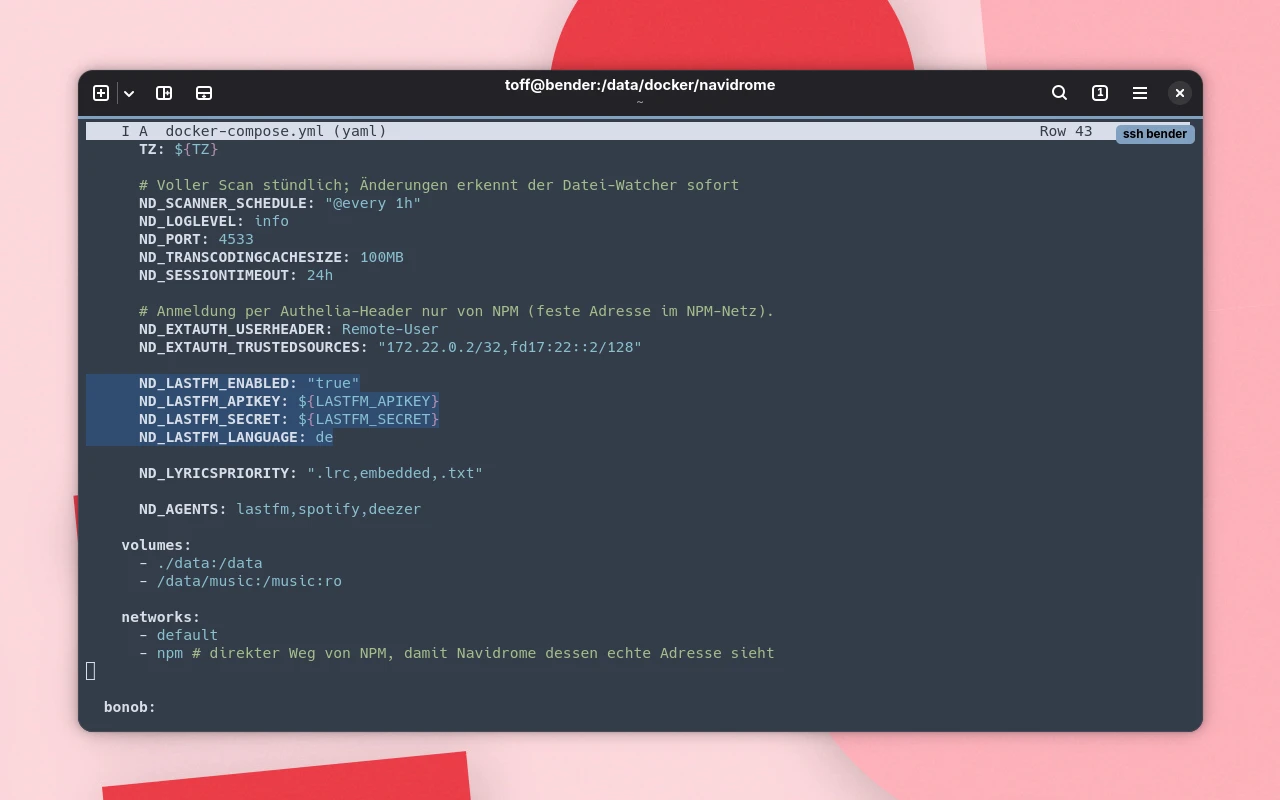
Navidrome developer Deluan Quintão also clarified in the project’s subreddit that scrobbling isn’t the only thing affected. The metadata agent uses the server’s key too, regardless of whether anyone scrobbles. Without a valid key, Navidrome will no longer fetch new bios, artist photos, album descriptions, covers, similar artists and top tracks from Last.fm. The documentation explicitly speaks of new metadata.
Don’t count on an exception for self-hosted software. Even if Last.fm reaches out to the Navidrome project, that won’t help much, because just like with Multi-Scrobbler, every server uses its own key. Users in the Last.fm forum are already asking for a free tier for self-hosters. As of today (November 19), Last.fm hasn’t replied there.
What you can do now
The first option is simple: the admin buys Pro for the account that owns the key. In Germany, that costs €4.99 a month or €49.99 a year. The other users on the server then keep scrobbling with their free accounts. If you’re the only one listening to music on your little home server, though, you’re paying €50 a year for the privilege of handing your own data to Last.fm.
If you don’t want to pay, turn off Scrobble to Last.fm under Personal Settings. If someone else runs your server, it’s best to ask them first whether their key is covered. As an admin, you can also cut Last.fm off entirely, so Navidrome doesn’t even try to reach the service. In the default configuration, Deezer’s metadata agent comes first anyway.
ND_LASTFM_ENABLED=falseListenBrainz as a way out
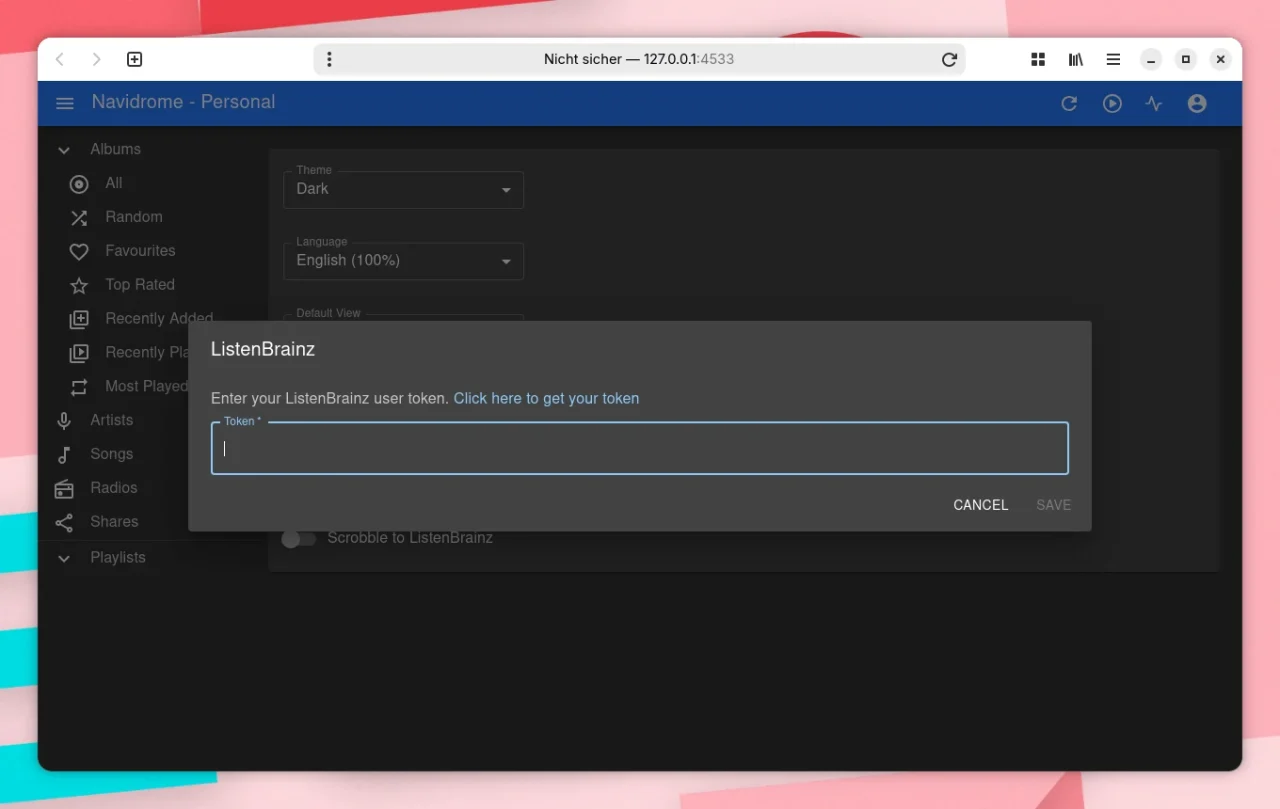
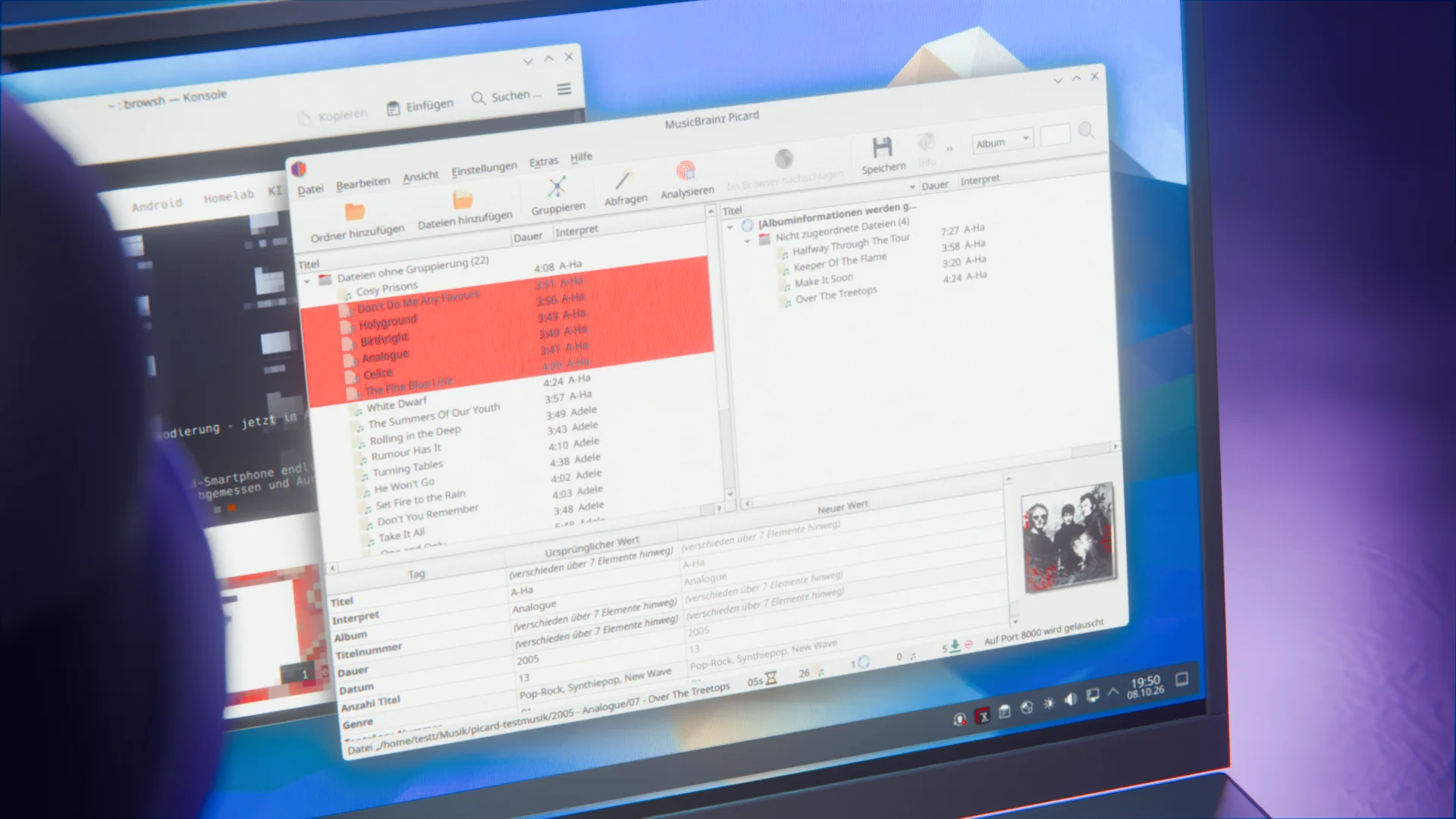
The obvious alternative is ListenBrainz from the MusicBrainz family, whose tagger Picard I covered just recently. The service is open source, free and supported directly by Navidrome. Under Personal Settings, enable Scrobble to ListenBrainz and paste your user token. According to several Reddit users, you can import your old listening history from Last.fm directly into ListenBrainz; one reports about five minutes for 20 years of history.
It doesn’t work smoothly for everyone, though: some users report that the import transferred nothing despite a working connection, and ListenBrainz is currently groaning under the rush. If you want to play it safe, also export your scrobbles to a file before December 1. One Reddit user backed up 80,000 entries going back to 2007 into a CSV file with a script and filled the gaps on ListenBrainz.
If you don’t want to rely on anyone else’s service, host scrobbling yourself. With ListenBrainz.BaseURL, Navidrome can send to any server that speaks the ListenBrainz API. The Reddit thread mentions Koito and Maloja, both of which can also import Last.fm data. With Multi-Scrobbler, you can send your scrobbles to several destinations at once if needed, for example to your own server and to ListenBrainz. Your listening data then stays with you.
Somehow I can understand Last.fm’s move. The problem isn’t so much the scrobbles as the metadata: with the rise of self-hosting, countless instances of Jellyfin, Navidrome, Ampache and co. request bios, images and similar artists. That’s many, many, many requests with hardly any real interaction with the users behind them. Last.fm has to fund itself somehow, all the more so since the service split from Paramount in May and became independent again.
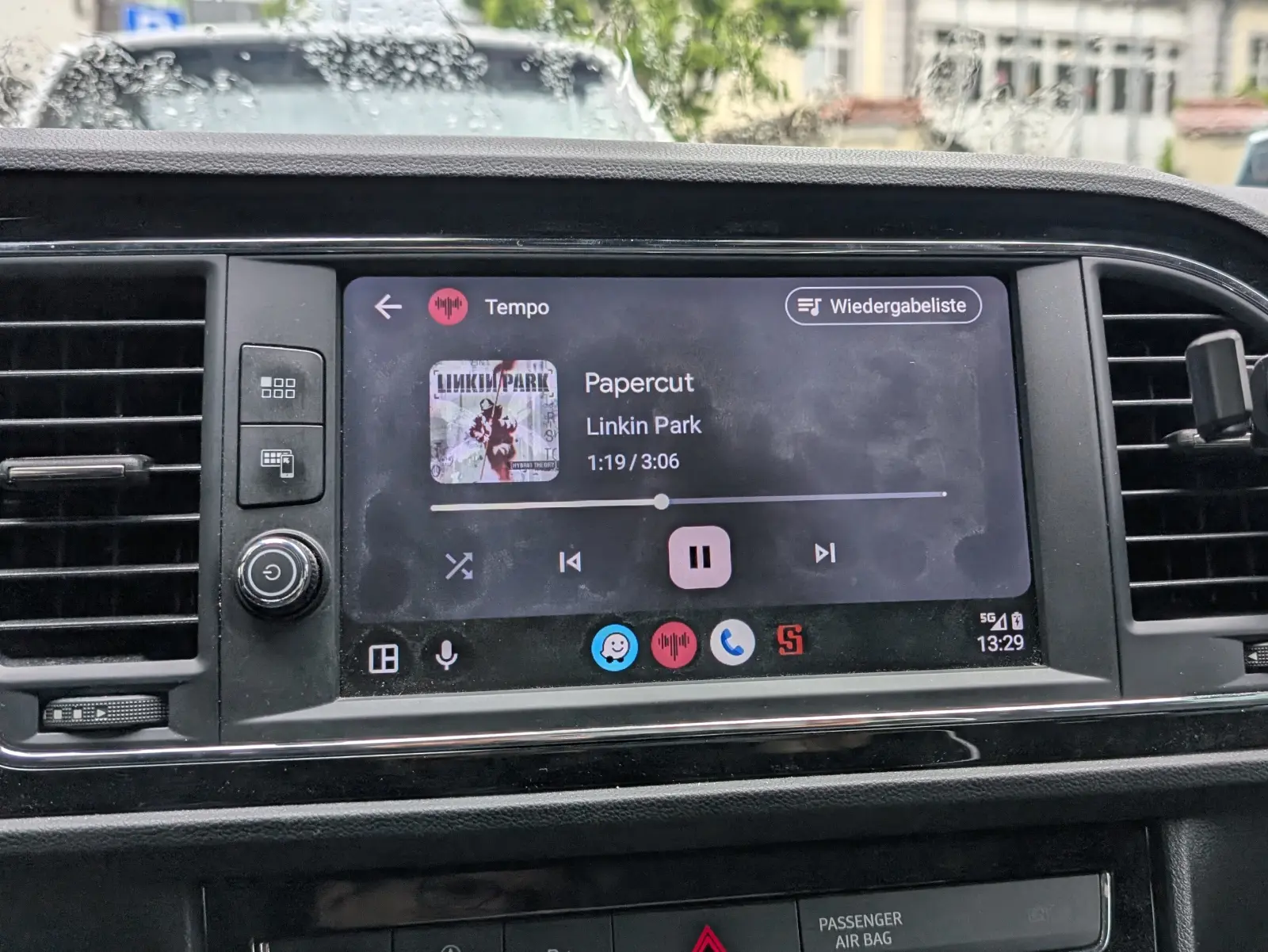
I listen to my music through Navidrome myself, on the road in the car too, and have been scrobbling to Last.fm for years. I still won’t pay for Pro. Even though it hurts to stop adding to a history that goes back decades: a monthly subscription isn’t worth it to me. What annoys me most is how it’s being done: of all people, those who have been handing over their listening data for free for years suddenly find themselves in front of a paywall. How are you handling this – will you pay or move on?
Leave a Reply